
Gamification integrates game-like elements into non-game contexts. This approach is widely used across various industries and is now emerging as a powerful tool in real estate.
People respond better to engaging, interactive experiences. We become more competitive when rewards are involved, and in fast-paced sales environments, game mechanics can keep people motivated and focused. For instance, a major developer like Aldar Properties on Fahid Island could use gamification to incentivize its sales team, setting up competitions based on property viewings or sales milestones for their luxury villas.
This article explores how residential developers can use gamification to boost productivity and drive sales through tools like rankings, referral programs, and special incentives.
Leaderboards and rankings
Displaying sales performance through leaderboards is an effective way to foster healthy competition among naturally competitive salespeople. You can rank agents based on metrics like converted leads or units sold to boost results. To succeed, this must be implemented within a fair company culture with well-designed rewards.
For example, you could run monthly contests tracking tour bookings or closed deals. Top performers could earn prizes or recognition, tapping into their competitive drive. While the initial motivation might be to climb the leaderboard, this practice can lead to long-term behavioral changes as agents associate higher activity with earning rewards.

When implementing leaderboards, use clear metrics and keep competitions fair. Create multiple categories (e.g., most deals, fastest response time, best customer feedback) so both seasoned and junior agents have opportunities to win. Beyond recognition, consider tangible rewards like small bonuses, gift cards, or extra time off.
Referral programs
Happy customers can become powerful brand ambassadors. In real estate, personal recommendations carry a lot of weight, and gamification can unlock this potential by structuring referral programs that reward engagement.
Gamified referral systems typically reward someone for referring a new homebuyer. Given the high value of a real estate transaction, the reward must be attractive — for example, cashback, discounts, a year of free property management, or gift vouchers. Such rewards not only encourage more referrals but also leave the referrer with a positive impression of the developer.
Case study: SM Development Corporation (SMDC) in the Philippines launched a “Refer a Home Buyer” program offering a 2% referral fee for every successful sale. If a referred person buys a condo, the referrer earns 2% of the unit price. This program is open to anyone, not just previous buyers, which leverages community networks at scale.
Referral programs should be simple to use. Provide people with easy-to-share links and make the rewards worthwhile. While word-of-mouth can promote a program for previous buyers, one open to the public will require active promotion. The process doesn’t have to end after the sale; a great post-purchase experience can continue the referral loop.
Cashback and special deals
Gamification can also boost sales through limited-time challenges and rewards. Creating a sense of urgency with special campaigns for a limited number of buyers — offering discounts or free upgrades — can tap into a fear of missing out.
Another approach is to reward milestones during the long purchasing process. Offering a small gift when a prospective buyer completes a stage, like a house tour or paperwork, can keep them engaged. These deals not only incentivize action but also make the experience more enjoyable.
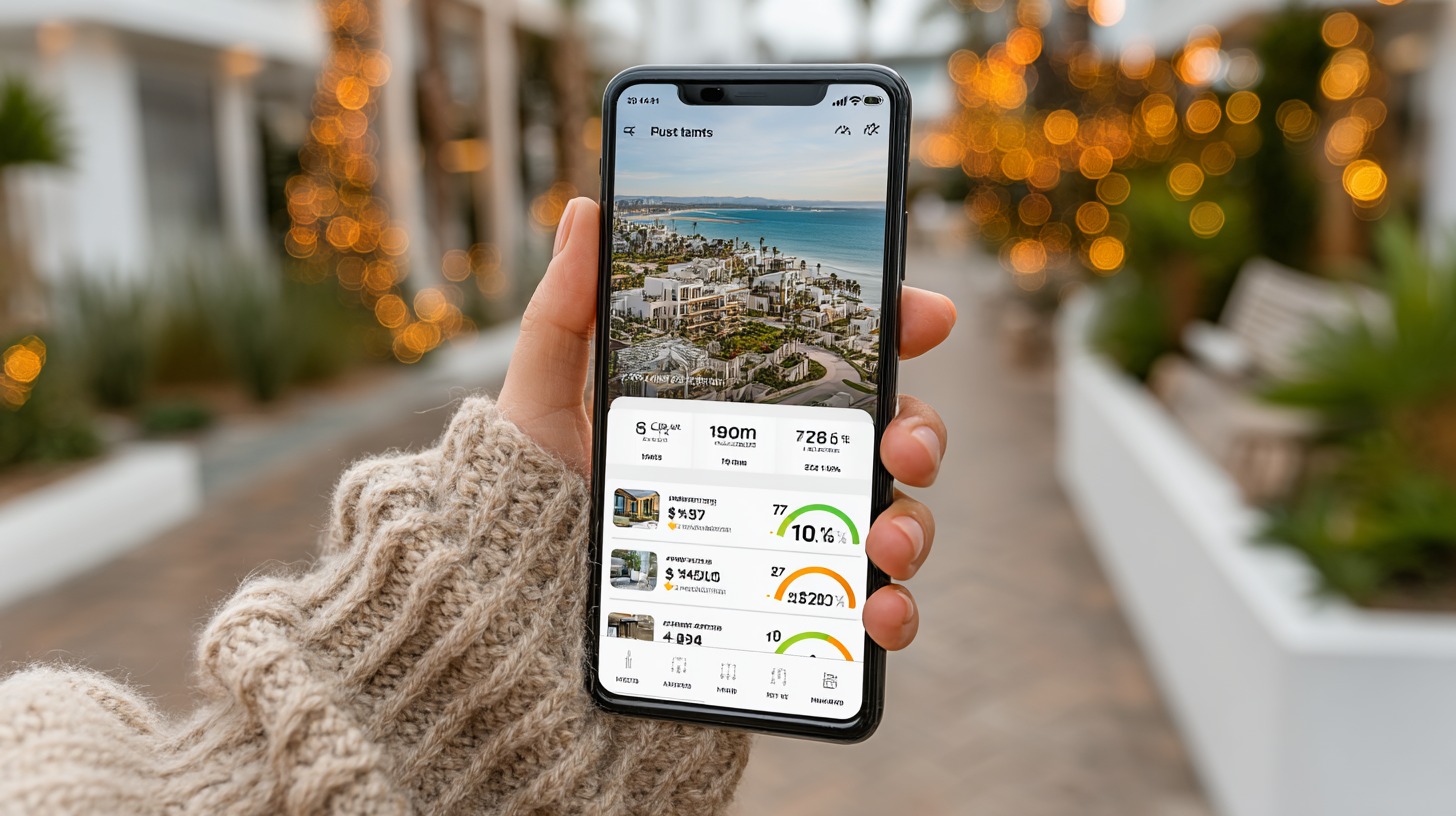
Why these incentives matter: In a competitive market, small perks can make a big difference. A buyer who knows they will receive a €5,000 cashback for signing this month is more motivated to choose your project. Presenting this in a gamified way, such as a progress bar showing “€5,000 reward unlocked,” gives the buyer a sense of achievement. Design incentives to match your sales goals, whether that’s speeding up decisions, selling remaining units, or creating buzz.
How to implement gamification
Done right, gamification can drive real results. Treat it as a business strategy:
- Identify opportunities: Where are the weak points in your sales process? Is your team unmotivated during slower seasons? How can you improve your referral rate?
- Choose the mechanics: Select activities that will motivate your target audience. Leaderboards may work for salespeople, while referral rewards can incentivize buyers. Keep the rules clear, simple, and fair.
- Use the right technology: Manually tracking leaderboards or referrals can quickly become messy. Use software that includes features like rankings, a CRM, financial tracking, and real-time reports.
- Keep people engaged: Ensure your team understands and buys into the program.
- Track and iterate: This is a business strategy, not just a game. Track results, gather feedback, and continuously improve the process and rewards.